

The future of laptops: What will they look like in 30 years time? | Laptop Mag
The future of laptops: What will they expect similar in 30 years time?
It's fair to say that laptops have changed a lot over the past 30 years, and Laptop Mag has been there to cover every stride of this journey!
From running MS-DOS with specs like a 10MHz CPU, 640KB of memory, a 40MB hd and a 640 10 400 pixel display, to 4K panels, 5GHz chips, so many gigabytes of RAM and a massive NVMe SSD, the rate of innovation in this category has been astounding.
But what about the adjacent xxx years? Looking ahead to 2052, what does the laptop look similar? Information technology's an interesting question to ask and to celebrate our 30th anniversary, we've got help from a few experts to give us a sneak peek at the time to come of laptops.
Trucks, not cars
Back in 2022, Steve Jobs made an interesting annotate comparison tablets and PCs to cars and trucks — insinuating that computers will continue to exist relevant, but will pale in comparison to tablets for the vast bulk of consumers.
However, things didn't quite pan out that way. Tablets go along to exist great for content consumption, merely if you actually want to go things done on-the-go, a laptop is the gadget of choice for well-nigh people.
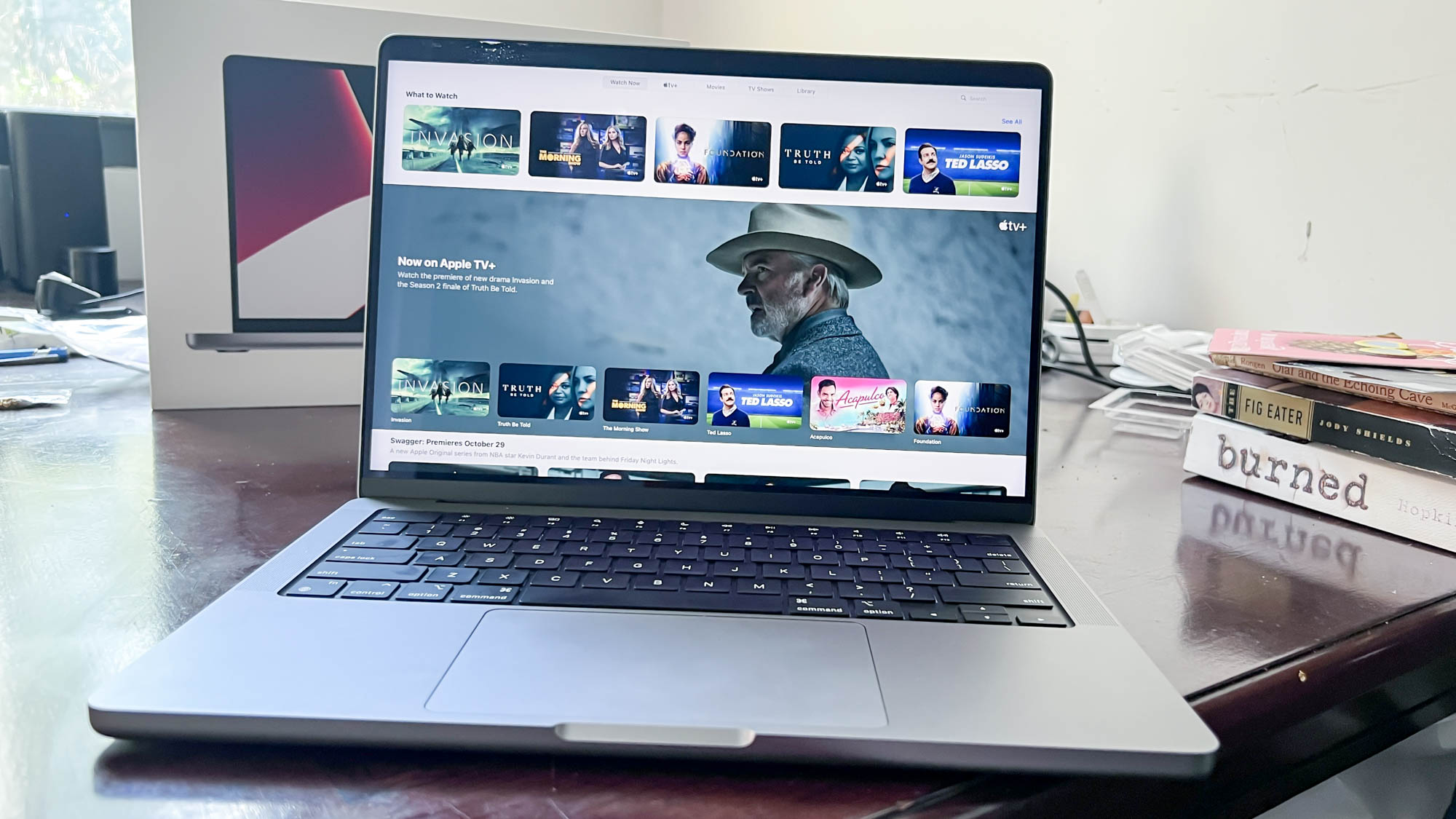
In fact, that much was articulate in 2022 when a Pew study showed that 36% of Americans own both of these and a smartphone. That number has most probably increased since then and from personal ecosystem feel, I use my iPad for binge watching and blasting through some Apple Arcade games, whereas my M1 MacBook Pro is where the piece of work happens. People are used to this divide between devices.
Still experts even so talk about the death of the traditional laptop and this idea of combining all of these screens into one device. Steve Koenig, VP of research at the Consumer Technology Association, said every bit much: "I recollect the laptop volition somewhen collapse down to a class factor that will probably look very like to the smartphone of today."
"Laptops volition almost probable not survive the next thirty years as they are nowadays," adds Cédric Honnet, MIT research associate. "A laptop is mainly composed of processing, power, storage, inputs and outputs, but its specificity is its portability, and we can easily conceptualize that all these elements will exist extremely miniaturized."
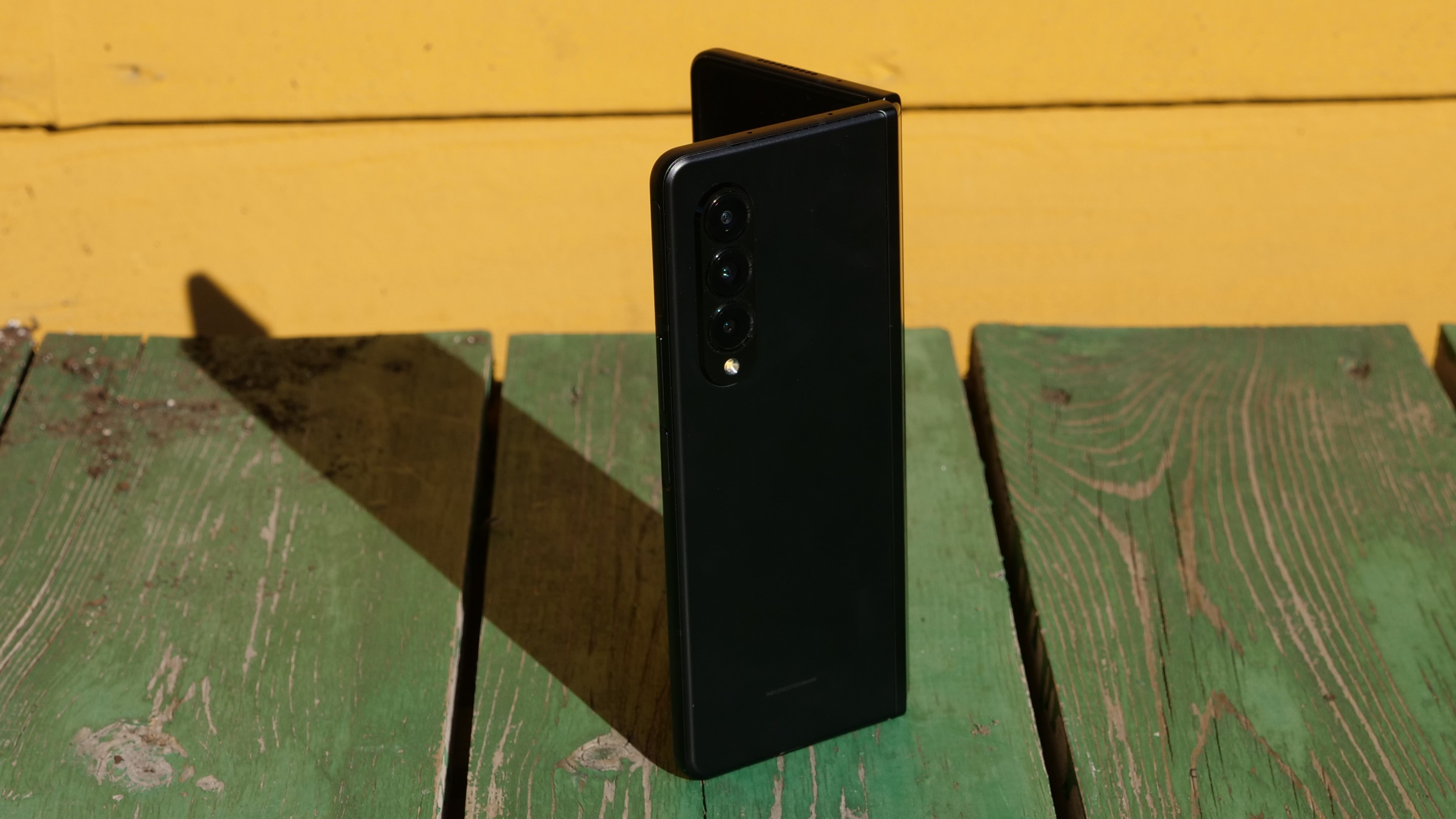
The thinking behind his large prediction is that while laptops continue to get smaller and smartphones continue to grow in screen size (to the indicate we now have foldables for bigger displays), the need will grow for a device that slots in between the two. Koenig specifically mentioned a "x.5-inch" display or "possibly something a scrap larger."
I become the idea of cramming it all into a smartphone course cistron too, because the numbers back it up. StatCounter shows that worldwide, mobile continues to accept a ascendant market share of over 50%. Compare this to tablets at around 2.5% and you tin encounter why analysts have soured on the idea of a tablet beingness the respond to this question.
Honnet, on the other hand, laid out a grander vision that starts with completely eliminating the need for a display and replacing it with a brain-figurer interface (BCI). Currently, MIT has experimented with using transcranial magnetic stimulation (TMS), to produce "hallucinating" pixels that display information in your visual field.
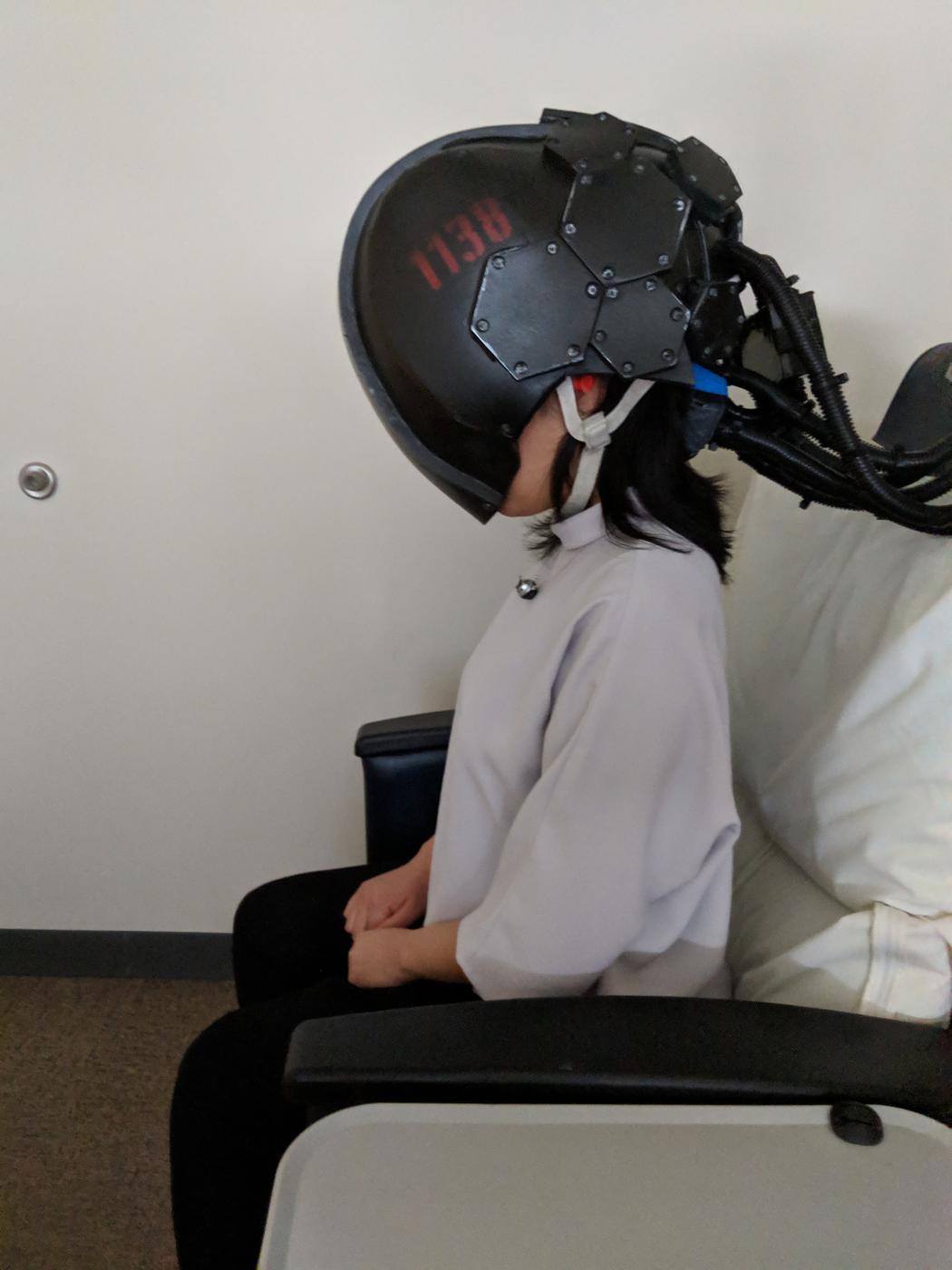
Yes, you lot read that correct: electrically stimulating your brain cells to produce pixels of light that you tin can run into without the need for shooting lasers into your eyes similar virtually smart glasses. Information technology's fascinating stuff and, according to Honnet, information technology's "only a thing of time before nosotros get 'BCI displays' with full Hd."
Here'due south my trouble with all this, though. Is this non just the definition of insanity: doing the aforementioned thing repeatedly and expecting different results? We've been trained to wait some kind of "holy shit" new gadget that renders other categories obsolete, whether information technology's alaptop/telephone hybrid device or a metaverse-esque mixed reality driven by BCI. But the traditional laptop has stood the test of fourth dimension and weathered these battles, purely considering at that place'southward non much out there quite like it.
I believe they are both right, simply they are talking about two steps in the evolution of this category that nosotros will see over the side by side 30 to 50 years. Koenig'southward vision will be the get-go step towards this brave new earth outlined past Honnet, which is the ultimate "Super Saiyan" form of the portable productivity machine.
Laptop fragmentation
Let's take this "laptop as a truck" metaphor from a dissimilar angle. If these are soon to become specialist devices for getting things done, and then, much like the broad variety of truck types and sizes, can they be tailored to specific use cases?
This was a question that I talked about in a fascinating chat with Neil Thompson, inquiry scientist at MIT's Calculator Science and Artificial Intelligence Lab, which starts with taking a different arroyo to Moore's law.
For those uninitiated, Moore'southward constabulary was a prediction fabricated by Gordon Moore in 1965 that the number of transistors on a microchip volition double every 2 years. That's been true for the past five decades, but one matter is clear: the stop is in sight.
"Since 2005, the rate of improvement has dropped dramatically. That's not considering we can't get more transistors on them, but it'southward because we tin can't run them faster," Thompson commented. The gains from additional retentiveness would exist minor when the cadre source of power in a laptop, the CPU, starts to stagnate.
At this signal, Thompson argues that these diminishing returns volition be felt more if a laptop is more than broadly targeted as a portable productivity auto for all, so information technology's time to fragment. Neil continued on and said something that fabricated this prediction click for me:
"Well-nigh of the tools we take in our lives are quite specialized. We have a hammer and nosotros have a screwdriver. We don't have a mix of the two, because that's not a very efficient motorcar."
This is true of computers today. They are non specialized, but rather a very skilful compromise of things. As Thompson put it: "the hammer and screwdriver continually improved so much over time that it wasn't a problem." We oasis't had to accost this status quo because the charge per unit of Moore'south Law has kept up with all the use cases.
But with the rate of improvement dropping, there will come a fourth dimension when your hammer/screwdriver philharmonic is non progressing plenty and only specialist tools will suffice. Hither'due south the fascinating matter: this is already happening.
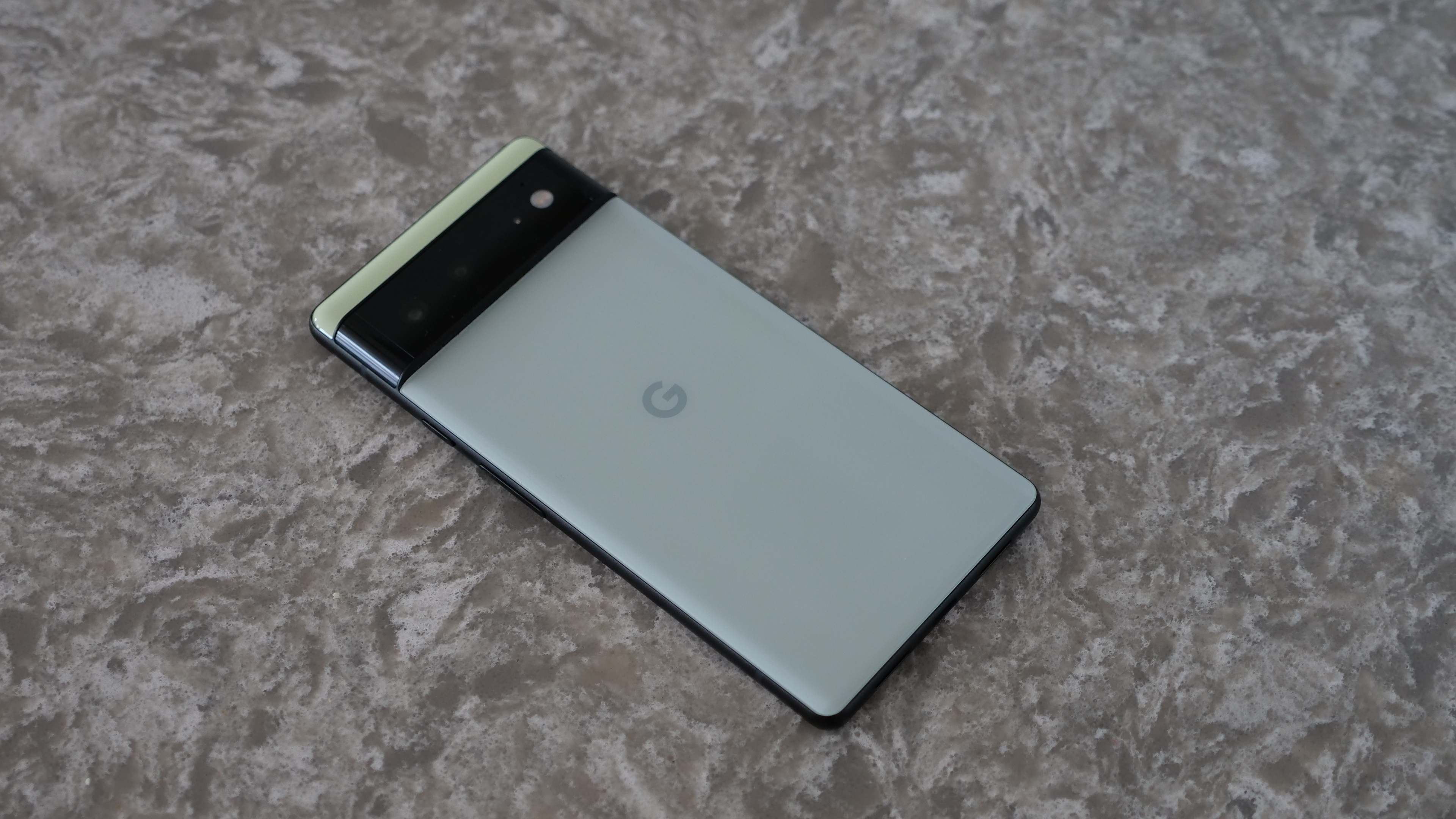
Just look at the Pixel 6. "You tin can already run across this happening at Google, who designed their own flake (Tensor) to do automobile learning. This is and then the company can specialise and do its own thing in this area to benefit the rest of the phone," Thompson identified.
So, what does this hateful exactly? Thompson lays out 2 future scenarios:
- Nosotros could encounter laptops armed with one of many specialized chips with specialized software stacks. This is great for those who do have one use case, only the risk at that indicate will be other processes you may want to do but falling off a cliff with bad performance or just not being supported.
- These specialized chips and stacks may be accessible upwards in the cloud, which turns the laptop of the future into a remote terminal of sorts. Of grade, the run a risk factor here is your organization becoming useless once yous lose a connection to the internet.
Thompson believes the answer falls somewhere in the middle of these two, calculation that "nosotros are going to increasingly accept people say 'for this particular class of awarding, we're going to design a specific chip and specialized software that sits on meridian.'" The other processes that the bit and software stack has not been co-designed for will live in the cloud.
Out of all the big blueish sky predictions made for the future of laptops, this 1 sounds the most grounded and sensical to me. Instead of angle the hammer/screwdriver philharmonic to all use cases and making it a jack of all trades, just make a really good hammer instead.
Upwards to the deject, to relieve the planet?
One unproblematic matter is agreed across all the experts I spoke to: cloud computing is going to choice up a significant corporeality of the processes your electric current laptop does. That much is obvious, as much like the move of your storage to the cloud, nearly common CPU processes could be hands completed in the same way. This reduces the components required, which reduces the weight and size of these machines and reduces the current needed to run them.
What'due south not then obvious is the overall environmental toll of cloud computing. Greenpeace estimates that by 2025, the technology sector could swallow up to 20% of the world'south electricity, which would be upwards from the current 7% cheers to the aggressive expansion of cloud computing on top of all of our current electronics.
Converting to completely deject-based operations in consumer-focused laptops is a adept start to reducing our own footprint, at which point, it'due south nearly repurposing this distributed computing.
"Some companies (such as Qarnot) are using distributed calculating as personal heaters and hopefully this will exist the norm," Honnet comments. Only put, rather than the likes of gas central heating in the UK, rooms could be kept toasty by a serial of CPUs that are busy doing their thing for other users.
It'south worth noting that we're already seeing the industry starting to make strides towards this environmentally-friendly futurity, with the Acer Aspire Vero sporting a PCR plastic structure and a design that is piece of cake to open, repair and recycle.
Ripping upward the UI roots
When you think of the user interface of a laptop, you think of a touchpad and keyboard (maybe a Trackpoint nub if you're a Lenovo ability user). Information technology'southward one of the most critical things to get right when edifice a portable PC, and 1 of the biggest obstacles to become around if the future gazers advise the laptop will not exist around in iii decades time.
"Indeed, the UI paradigms will accept to adapt to miniaturization. Information technology took some fourth dimension, only smartphone UIs became fairly comfortable, and smartwatches are getting there," Honnet added, indicating the new UI conundrum is probably going to be the trickiest part of establishing this new product.
"Human being Estimator Interaction (HCI) enquiry explored extending the interaction surface by integrating display and sensing in the strap, or fifty-fifty on the pare (video projection, etc). Since Google Glass, many devices have appeared and they will eventually enable improving this UI miniaturization trend."
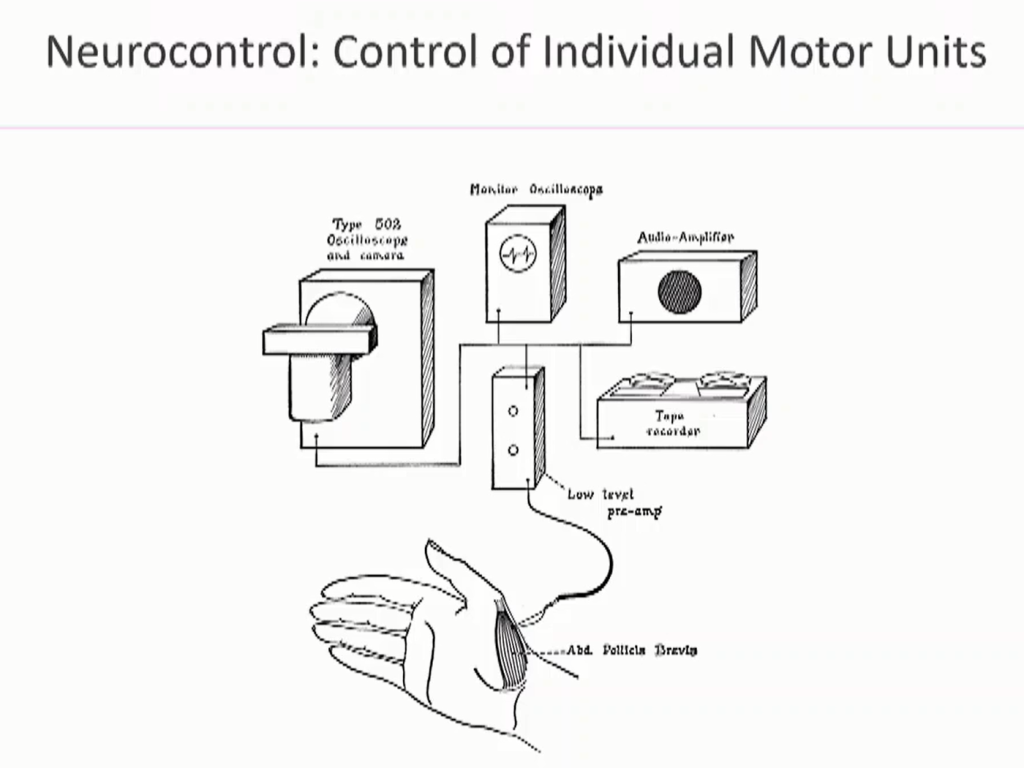
Indeed, we could get even farther beyond that and supplant the keyboard and mouse with neuromotor indicate sensing interfaces. Honnet admitted that they "take time to acquire, but so does keyboard typing, and gamification can make the learning procedure surprisingly intuitive. They can sense muscle signals that are so weak that we won't even demand to motility to control our devices."
This volition seemingly overcome i of the biggest challenges facing the futurity of calculating: nobody wants to talk to their calculator at all times. Koenig acknowledged that, mentioning plenty of specific use cases similar working on confidential documents in public spaces like cafes.
It seems similar just yesterday when everyone thought the hereafter of tech interaction was speech communication, just these fatal flaws stopped information technology from beingness anything more than just being a way to talk to your phone or your smart dwelling. Maybe interpreting your muscle and brain signals is the way forward.
Bottom Line
Every bit you tin can see, the future of laptops is no longer just a technological question, information technology's a cultural i, too.
This category has defied predictions of an early on expiry at the hands of tablets, and while the rate of innovation has slowed slightly compared to the last xxx years, the side by side three decades expect incredibly bright for the portable computer.
What place do they have in our lives? Will we see multiple specialist variations of laptops for different use cases, while a more consumer-facing hardware category takes over for the rest of us? Will piece of work even be done on a QWERTY keyboard, or will our minds accept over directly in the time to come? Anybody agrees that change is coming, but nobody can be sure what that alter will exist.

Jason brings a decade of tech and gaming journalism experience to his office equally a writer at Laptop Magazine. He specializes in finding the best deals to make sure you never pay more you should for gadgets! Jason takes a particular interest in writing and creating videos almost laptops, headphones and games. He has previously written for Kotaku, Stuff and BBC Science Focus. In his spare time, you'll find Jason looking for good dogs to pet or thinking about eating pizza if he isn't already.

Source: https://www.laptopmag.com/features/the-future-of-laptops
Posted by: simmonsscablevoled1962.blogspot.com
0 Response to "The future of laptops: What will they look like in 30 years time? | Laptop Mag"
Post a Comment